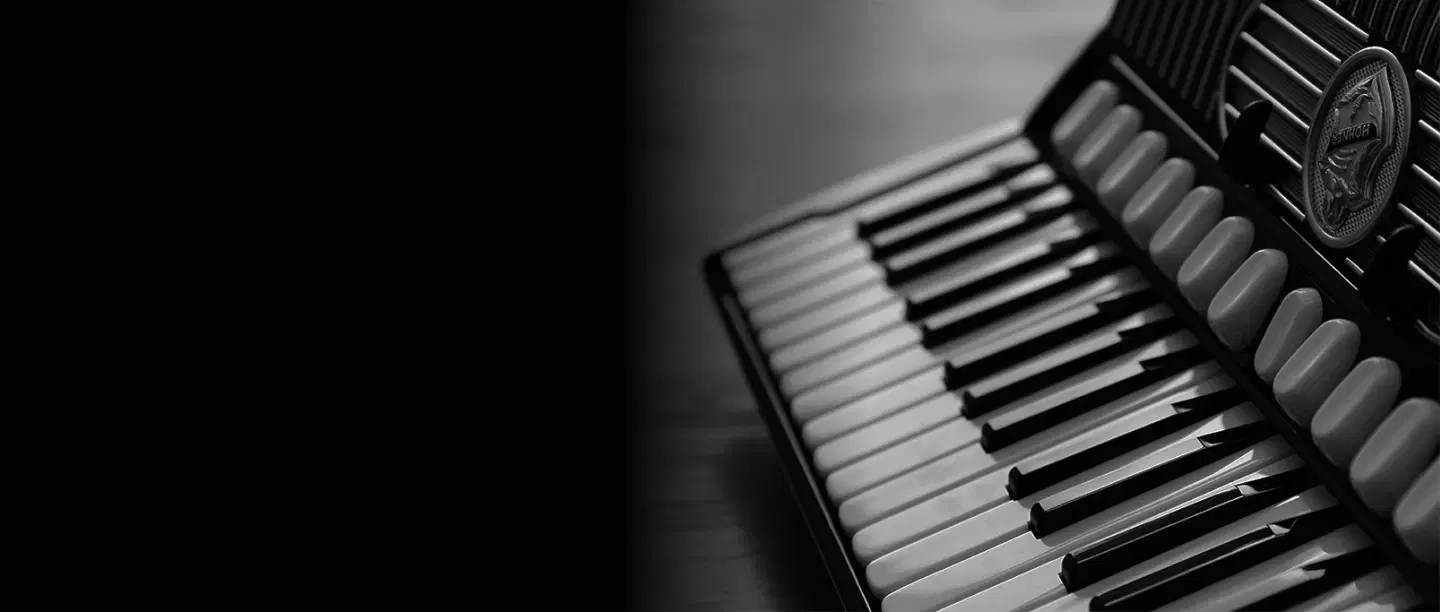
When the graceful melodies of Tchaikovsky's Swan Lake float through the concert hall, something magical happens. Now imagine those iconic themes brought to life not by the usual orchestral strings, but by the expressive voice of the accordion, soaring above a full symphony orchestra. The result is breathtaking—a fusion of classical tradition and fresh artistic vision that must be heard to be believed.
This performance reimagines one of ballet's most beloved scores, proving once again that the accordion deserves its place on the grandest stages.
What is Swan Lake?
Swan Lake is perhaps the most famous ballet ever composed. Written by Pyotr Ilyich Tchaikovsky in 1875–1876, it tells the tragic story of Odette, a princess turned into a swan by an evil sorcerer's curse. Only true love can break the spell, but betrayal leads to a heartbreaking end.
The music itself is a masterpiece of emotional storytelling. From the haunting oboe solo that introduces the swan theme to the triumphant waltzes and passionate pas de deux, Tchaikovsky created a score that captures every shade of human feeling—love, despair, hope, and tragedy.
Key moments in the ballet include the iconic Swan Theme, with its melancholy melody that has become synonymous with grace and longing. The lively Neapolitan Dance is full of energy and folk-inspired rhythm. The romantic Black Swan Pas de Deux is where music and drama reach their peak intensity. The final tragic scene shows love conquering all, but at a terrible cost.
Originally written for full symphony orchestra, Swan Lake has been arranged for various instruments over the years. But hearing it performed on accordion with orchestra brings something entirely new to this timeless work.
Why Perform Swan Lake on Accordion?
At first glance, the accordion might seem an unlikely choice for Tchaikovsky's delicate swan. But listen closer, and the connection becomes clear.
The accordion is uniquely suited to this music because it can both sing and accompany itself. The right hand plays the famous swan melody with vocal-like expressiveness, while the left hand provides the rich harmonic foundation normally handled by multiple orchestral instruments. This creates an intimate dialogue between soloist and orchestra—the accordion weaving through the ensemble like the swan gliding across the moonlit lake.
There is something profoundly moving about hearing the swan theme played on accordion. The instrument's natural ability to swell and fade, to breathe and sigh, brings new emotional depth to Tchaikovsky's already powerful writing. Passages that might sound merely pretty on other instruments become deeply affecting when shaped by the accordion's expressive bellows.
Furthermore, this performance challenges old assumptions about the accordion. For too long, this versatile instrument has been underestimated in classical circles. By performing Swan Lake with symphony orchestra, the accordion stakes its claim as a serious classical voice—capable of nuance, power, and profound musicality.
The Unique Challenge of Arranging Ballet Music for Accordion
Adapting Swan Lake for accordion and orchestra requires both technical skill and artistic sensitivity. The soloist must navigate rapid passages, wide leaps, and complex harmonies while maintaining the graceful phrasing the music demands.
The bellows become the conductor's baton, shaping each phrase with careful control. Fast movements require crisp articulation and precise coordination between the hands. Slow movements demand sustained, singing tone that never wavers—a true test of any accordionist's skill.
Meanwhile, the orchestra provides the rich tapestry of sound that Tchaikovsky imagined. Strings, woodwinds, and brass surround the accordion, sometimes supporting, sometimes responding, creating a dialogue between soloist and ensemble that brings new life to this familiar score.
This arrangement preserves everything audiences love about Swan Lake while offering something fresh and unexpected. Familiar melodies take on new colors. Dramatic moments gain new intensity. The result honors Tchaikovsky's original vision while revealing hidden dimensions in his music.
Why Classical Music on Accordion Matters
There is a growing movement to expand the accordion's repertoire and reputation. Artists around the world are demonstrating that this instrument can handle the most demanding classical literature with elegance and power.
Performing works like Swan Lake serves several important purposes. It introduces classical music to new audiences who might not attend traditional orchestra concerts. It challenges stereotypes about what the accordion can and cannot do. It expands the repertoire available to accordionists, inspiring future generations of players. It creates exciting collaborations between accordionists and orchestras, building bridges between musical worlds.
When audiences hear Tchaikovsky played on accordion, something shifts in their perception. They realize that music transcends instruments—that the emotion and beauty of a great composition shine through regardless of the medium. The accordion becomes not a novelty, but a legitimate voice for classical expression.
The Cognitive and Emotional Benefits of Playing Classical Accordion
For students and professionals alike, learning classical repertoire on accordion offers profound rewards beyond the musical itself.
Playing complex works like Swan Lake strengthens neural connections, improving memory, concentration, and problem-solving skills. The coordination required to manage both hands independently while controlling the bellows engages multiple brain regions simultaneously—a full workout for the mind.
Emotionally, interpreting Tchaikovsky's deeply expressive music develops what musicians call emotional intelligence. The performer must understand and convey feelings of love, loss, hope, and despair through sound alone. This deepens the player's own emotional awareness and capacity for expression.
For students, mastering a challenging classical piece builds confidence and discipline. The sense of accomplishment that comes from performing Tchaikovsky with orchestra is unmatched—a milestone in any musician's development.
Bringing Swan Lake to American Audiences
Classical music has always found a warm home in the United States, from the great concert halls of New York and Chicago to regional orchestras and community series across the country. Performing Swan Lake on accordion with symphony orchestra offers American audiences something truly special—a fresh perspective on a beloved classic.
For event planners and concert presenters, this repertoire provides a unique programming opportunity. It appeals to traditional classical audiences while drawing new listeners curious about the accordion's possibilities. Educational concerts can introduce young people to both Tchaikovsky and the accordion in an engaging, memorable way.
Whether performed in a major concert hall or an intimate chamber series, Swan Lake on accordion creates moments of genuine wonder. Audiences lean forward, listening with fresh ears, hearing familiar music as if for the first time.
Final Thoughts
Tchaikovsky's Swan Lake has moved listeners for nearly 150 years. Its melodies have become part of our shared musical language, recognized and loved around the world. Hearing this masterpiece performed on accordion with symphony orchestra does not replace the traditional version—it adds a new chapter to the story.
The swan still glides across the moonlit lake. The tragic princess still dances her final dance. But now the accordion's voice joins the orchestra, singing Tchaikovsky's immortal themes with passion, elegance, and profound respect for this timeless music.
Whether you are a lifelong classical lover, an accordion enthusiast, or someone discovering this art for the first time—this performance invites you to hear Swan Lake anew. Close your eyes, listen, and let the music carry you away.